 Svalbard
Totland presents his book about the Russians on Svalbard
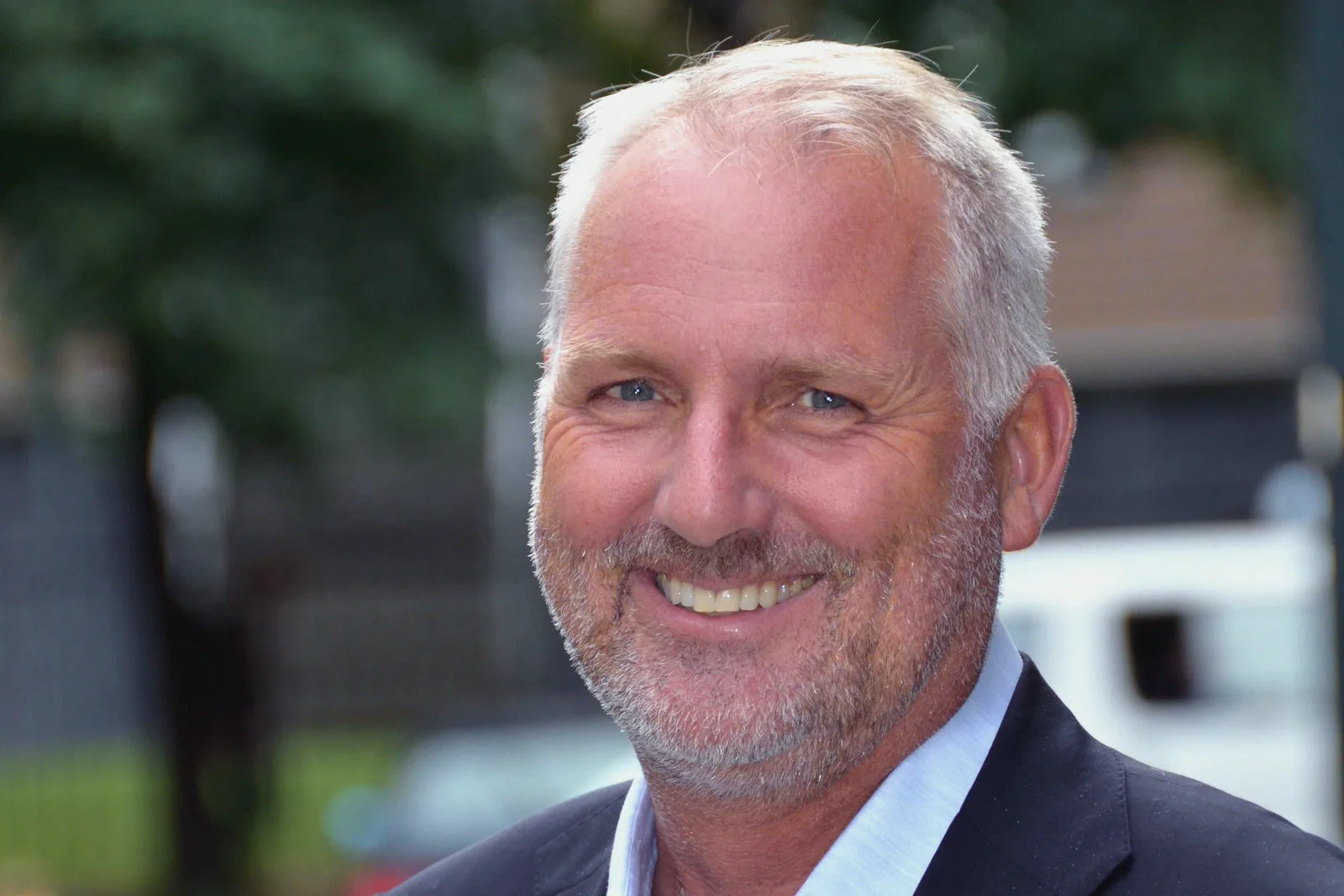
Per Arne Totland presented his new book about Russia and Svalbard at Svalbard Museum in Longyearbyen on 27 October 2026. Its title is "Russerne på Svalbard. Norge under Putins press" (The Russians on Svalbard: Norway under Putin's pressure), and Cappelen Damm publishes it. Totland is an author and business adviser, and a former NRK reporter. Line Nagell Ylvisåker, editor of the local newspaper, led the conversation.
Totland said he began writing after Russia's full-scale invasion of Ukraine in 2022. He reads Russia's aims for Svalbard in its Arctic strategy, in the work of Putin's commission on Svalbard and in its maritime doctrine. In his reading, this means pressure on Norway just below the threshold of war and a stronger Russian presence in Barentsburg and Pyramiden. It also brings outside money from Russian oligarchs and BRICS state funds, and a turn from keeping China at a distance to welcoming friendly states.
Research is where Totland expects the next conflict. Article 5 of the Svalbard Treaty of 1920 left the conditions for scientific work to a later agreement. That was never made, he said. Norway therefore applies its own rules, while Russia holds that the treaty's equal treatment covers science too. He named three points of dispute: a new centre in Pyramiden, studies beyond the natural sciences, and university-level teaching outside UNIS (the University Centre in Svalbard).
Norway's position is in its white paper Meld. St. 26 (2023 to 2024). The government wants UNIS to be the only provider of higher education in Svalbard. Scientists should mainly work from established local communities and research stations. Permits for new stations outside the planning areas cannot be expected, the white paper says.
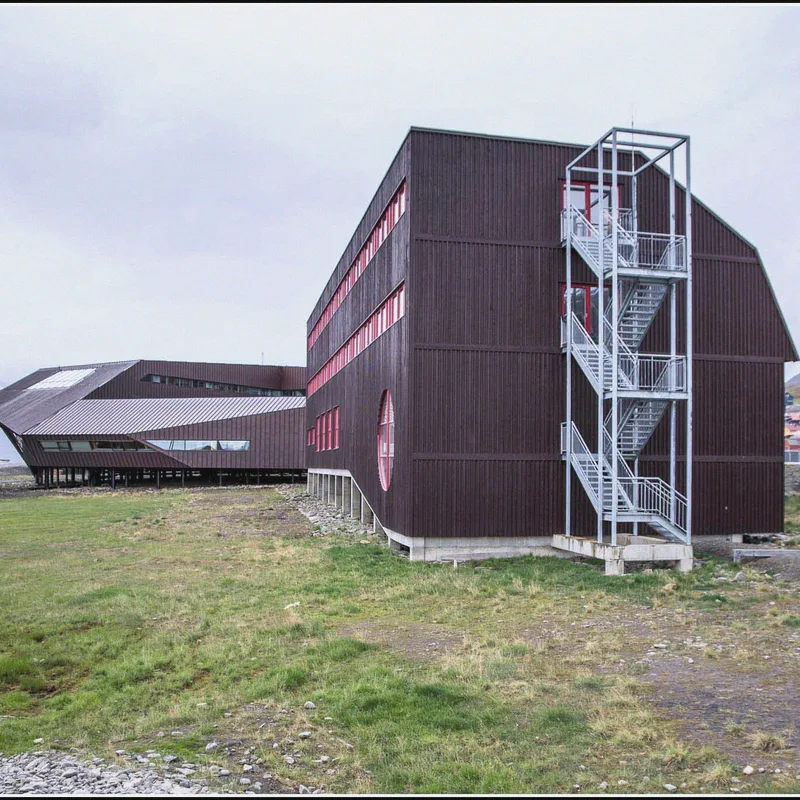
Nikolai Korchunov, Russia's ambassador to Norway, gave Russia's view to Izvestia on 1 March 2026. He said Oslo is trying to push Russia out of the archipelago. Sanctions have hurt Russian economic and scientific work there, he said, and Russia seeks equal terms with Norway and the other treaty states. In his account, Russian activity is restricted by Norwegian environmental rules and the permit procedure for scientific work. Limits on helicopter flights by Trust Arktikugol (Russia's state-owned company on Svalbard) restrict it too, he said.
The Pyramiden centre needed a vessel that now lies in Barentsburg, Totland said: the Professor Molchanov. Sysselmesteren (the Governor of Svalbard) arrested it there on 2 September on a court order won by the Ukrainian company Naftogaz. On 3 September, Korchunov told TASS that the embassy sees the arrest as a politically motivated violation of international law.
Totland said Russian plans must be "taken with a pinch of salt" (translated). Similar ones were announced as early as 1998, when Pyramiden was emptied. What has changed, he said, is the financing, the political backing and the momentum.
In October 2023, Dmitri Negrutsa of Arktikugol told The Barents Observer that the planned science centre in Pyramiden would be a basis for cooperation between Russia and friendly countries. Arktikugol's director, Ildar Neverov, said in 2025 that the company had earned more than 70 million roubles in 2024 from servicing Russian fishing vessels at Barentsburg, the Barents Observer reported. Russia expects 50,000 tourists a year by 2040, TASS reported on 17 November 2025, citing Yury Trutnev's press service. The United Arab Emirates joined the Svalbard Treaty, The Barents Observer reported in April 2026.
Coverage: Cappelen Damm, ArcticToday, The Barents Observer, TASS, Izvestia, Wikipedia, Svalbard Museum on Facebook