 Svalbard
Inside the Doomsday Vault that could one day save the world
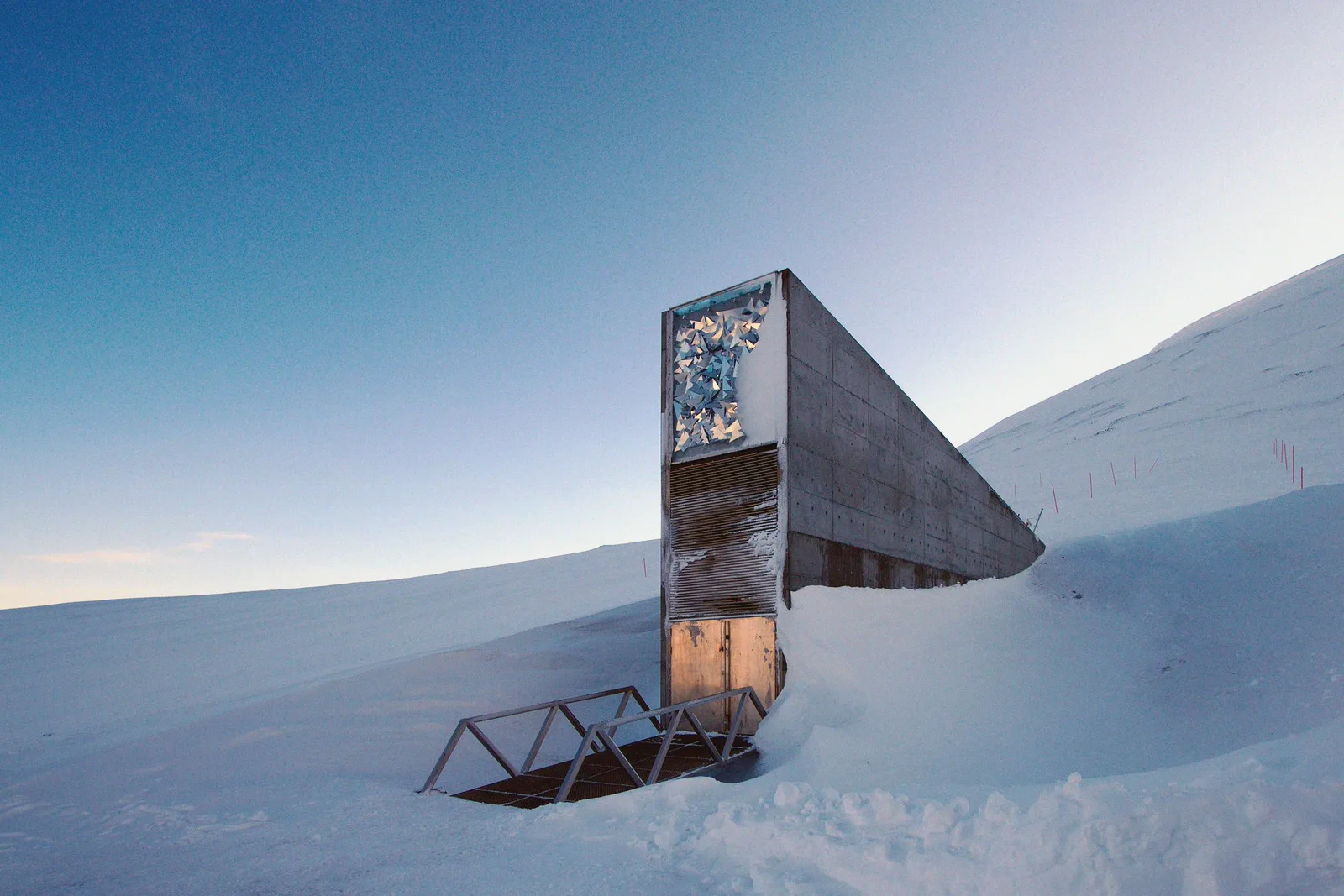
The Svalbard Global Seed Vault, which The Times calls the Doomsday Vault, could one day save the world, the paper reported on 20 October. Two earlier releases from the Ministry of Agriculture and Food, of 26 February and 17 June, give figures for the vault's deposits in 2026.
The ministry said in its release of 17 June that the vault took its 70th deposit since the 2008 opening: 15,387 samples from 11 genebanks. The total passed 1.4 million, at 1,401,285 samples. Burkina Faso and Niger deposited for the first time, through the genebanks CONAGREP and INRAN, backed by money from the Plant Treaty's Benefit Sharing Fund. The largest deposits came from RDA in South-Korea, with 6,000 samples, and the John Innes Centre in the United Kingdom, with 4,602. The June deposit had almost twice as many samples as the one in February.
In its release of 26 February, the ministry said the first deposit of 2026 was the 69th. It held 7,864 samples from 10 depositors and lifted the total to 1,386,102. Guatemala and Niger deposited for the first time. The vault also received its first olive seeds, brought by the Olive Genebank of the University of Córdoba. Guatemala's national genebank, run by ICTA, deposited 950 samples from 10 species, partly traditional maize and bean varieties kept by the farmers' organisation ASOCUCH. Polar Journal reported on 27 February that the deposit brought the total to 1,386,102.
The ministry's release of 26 February said the vault lies under permafrost inside a mountain on Spitsbergen. The Norwegian Government, the Crop Trust and the Nordic Genetic Resource Center (NordGen) manage it. The ministry holds overall responsibility for management, security and funding, and Statsbygg (the Norwegian Directorate of Public Construction and Property) is responsible for construction and maintenance. NordGen handles the seeds inside and keeps a public online database of the stored samples.
Coverage: The Times, Polar Journal