 Svalbard
How melting Arctic glaciers is creating a climate ‘doom loop’
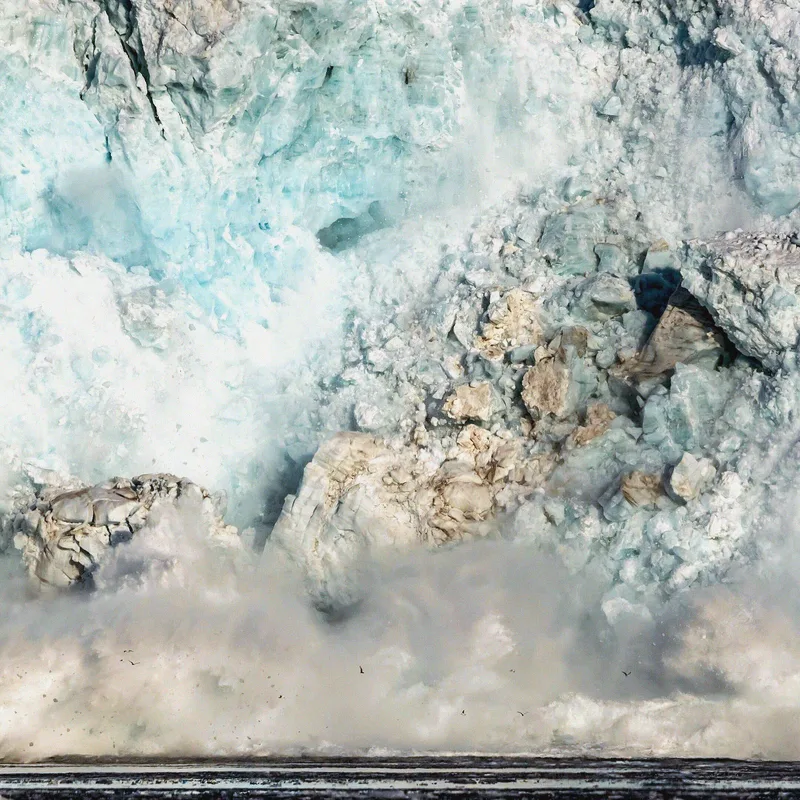
The Guam Daily Post reported on 17 October that melting Arctic glaciers are creating a climate loop. A release from UiT The Arctic University of Norway, dated 8 September 2026, describes research on the same subject in Svalbard. UiT said meltwater rivers from glaciers there carry ancient methane from rocks under the ice into the air.
UiT said the work was led by Gabrielle Kleber of the iC3 Polar Research Hub in Tromsø. Her team sampled 19 rivers fed by glaciers in central Svalbard and collected 148 water samples. Methane was found in every river tested, and the highest values were 425 times the level expected from contact with the air.
UiT said the researchers put the yearly methane load in meltwater from Svalbard glaciers that end on land at roughly 182 to 368 tonnes, with the figure varying by how it is scaled up. The release said this comes on top of earlier, much higher estimates for groundwater springs in front of glaciers.
According to UiT, the methane appears to come mostly from old shale rich in organic carbon, not from microbes under the ice. The team analysed the carbon in the methane and, in some samples, related gases including ethane and propane. UiT said this helped confirm a geological source for much of it.
The release said the team surveyed selected glaciers with radar that sees into the ice, to estimate how much of each bed was thawed and could carry water. Co-author Leonard Magerl said the largest releases came where suitable rocks and suitable glacier conditions coincided. Glaciers with thawed, wet beds picked up more methane than glaciers frozen to their beds.
Kleber said the amounts are small compared with human-caused emissions. UiT said similar pathways likely exist in other glaciated regions where ice lies over organic-rich rocks or sediments, including the Himalayas and Antarctica. It said some Svalbard glaciers are growing colder at their base as they shrink, which may reduce the methane they flush out.
Coverage: The Guam Daily Post