 Svalbard
Article asks whether Longyearbyen can survive climate change
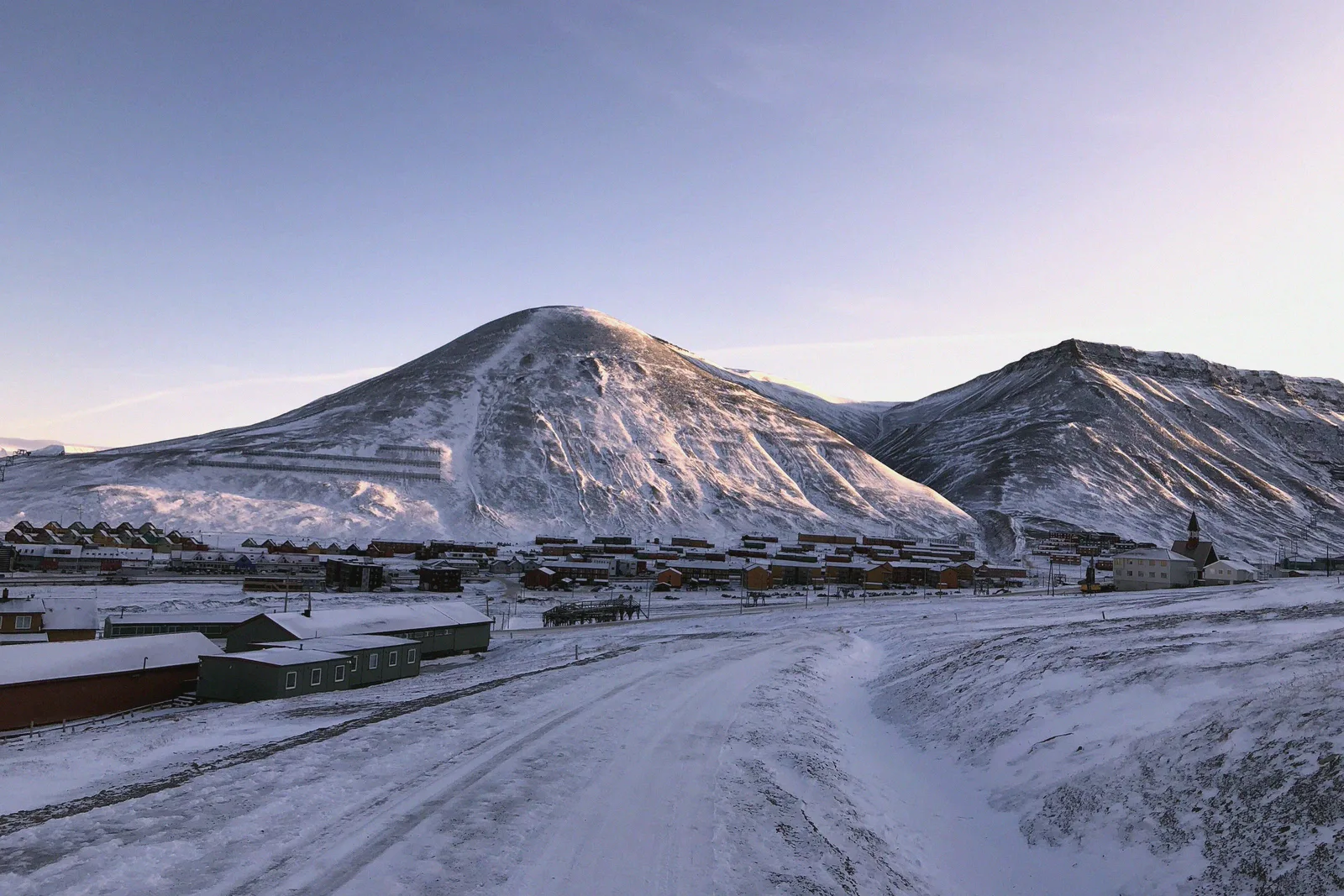
Moneycontrol.com wrote on 22 October that Longyearbyen is one of the fastest-warming places on earth. It asks whether the town can survive climate change.
Background: Justis- og beredskapsdepartementet (the Ministry of Justice and Public Security) set out figures in Meld. St. 26, its Svalbard white paper for 2023 to 2024. It said Svalbard warms at five to seven times the world rate. Since 1971, Longyearbyen has gained almost 5 °C in yearly temperature and almost 8 °C in winter, and precipitation has risen almost 20%. Sea ice around Svalbard has fallen by 9.8% per decade in April and 17.7% per decade in September, it said.
For the period to 2100, the white paper said parts of Svalbard can expect 7 to 10 °C more in annual mean temperature and 45 to 65% more precipitation. It added that thawing permafrost raises the risk of erosion and landslides.
Svalbard Museum said spring arrives 14 days earlier than before, and that houses can be damaged or need new foundations as the ground thaws.
In November 2022, High North News reported a release from the Norwegian Meteorological Institute: winter in Longyearbyen was 4 °C warmer in 1991 to 2020 than in 1961 to 1990. Averages at Svalbard Airport for December to February were between -9 and -12 °C, against between -13 and -16 °C before.
Correction, 26 October 2026: an earlier version credited the article to GDELT, the index that listed it. It was published by Moneycontrol.com.
Coverage: GDELT, High North News