 Svalbard
Mine 7 closes
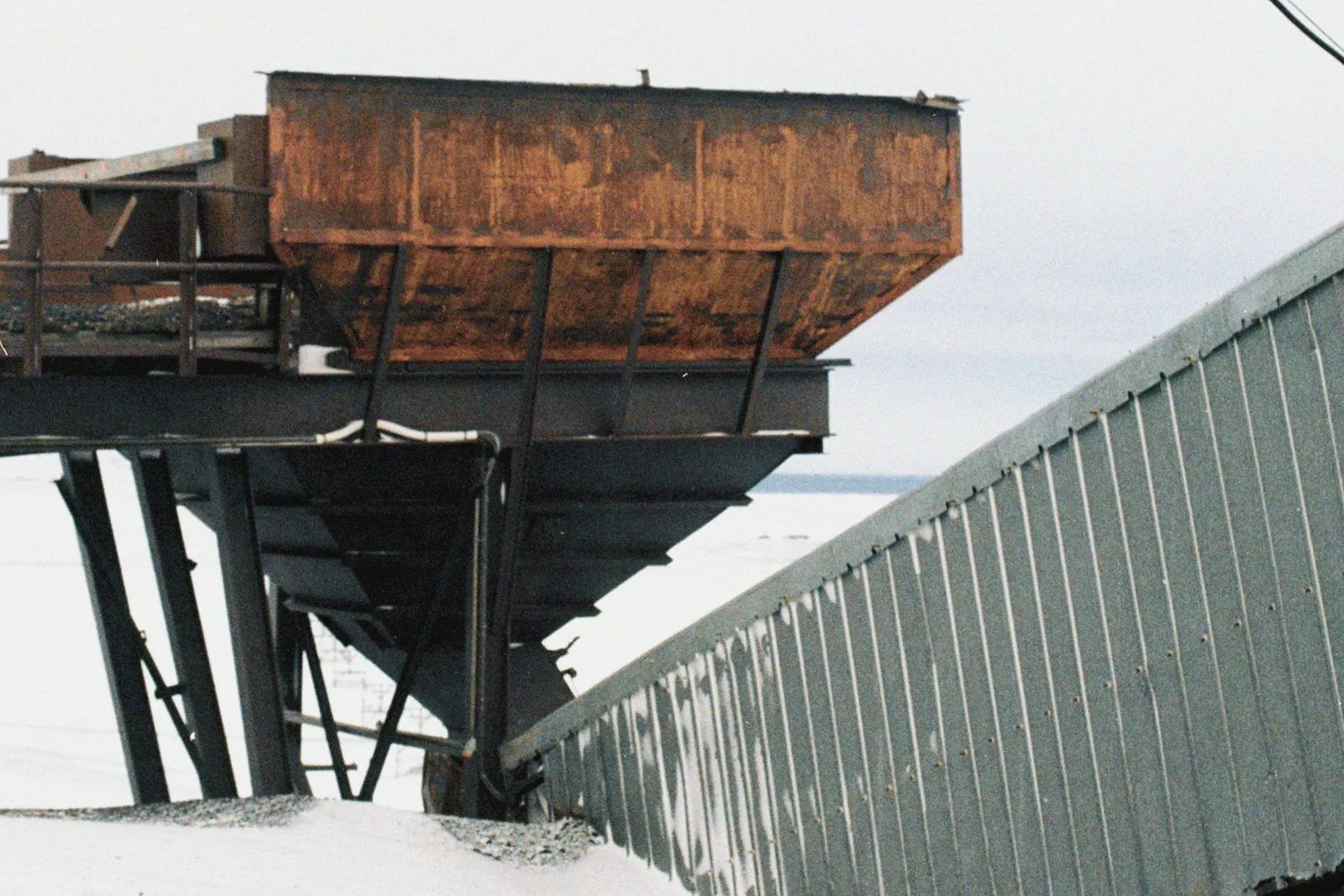
Gruve 7, the last Norwegian coal mine, stopped producing coal on 30 June 2025. Store norske leksikon places the mine in Adventdalen, east of Longyearbyen, and NRK says it lies to the southeast of the town. NRK reported on the day that the last piece of coal had been brought out. The mine runs six kilometres into the mountain, and the miners held their last shift there and then a farewell party in the staff hall. The lexicon says the mine was run until then by Store Norske Spitsbergen Gruvedrift, split off from the state-owned Store Norske Spitsbergen Grubekompani in 2018.
NRK quoted Rune Midtgaard, chief executive of Store Norske Spitsbergen Kulkompani (the state-owned mining company), as saying that coal is costly to bring to market and that prices had stayed low. He added that even if the politicians had voted to continue, operating would have been difficult, since prices over the last 15 years had not allowed a profit. NRK also describes the phase-out of coal power as part of Norwegian climate policy. High North News traces the decision to 2021, when it was decided to phase out the coal-fired power plant in Longyearbyen. When the local government ended its agreement to buy coal from the mine, Store Norske set closure for autumn 2023. In 2022 the company extended operations by two years, High North News writes, because of higher coal prices and demand. Mine manager Tor Inge Nyheim told the site that the mine was almost empty of the high-quality coal customers asked for. NRK adds that Fremskrittspartiet voted against the closure in the Storting and that Senterpartiet criticised it.
The lexicon says coal from the mine went to European export and, until mid-October 2023, also to Longyearbyen Energiverk, which then switched to diesel. NRK gave the supply to the plant as about 30,000 tonnes a year. NRK reported on 15 January 2025 that 30 June had been set as the end date, that work could continue in July if the coal was not all taken out, and that cleanup was to be finished by February 2026. On staffing the sources differ: the lexicon says about 60 people worked at Gruve 7 until the closure, and NRK on 30 June 2025 wrote that 60 year-round industrial jobs disappeared, while NRK in January 2025 put the number at about 50.
On the day, Rune Mjelde, leader of the miners' union, told NRK it was a sad day and that he was worried for Longyearbyen's future. Business minister Cecilie Myrseth said Norwegian settlement in Longyearbyen had to be kept up. Terje Aunevik, leader of the Longyearbyen local government, asked the government for a plan for critical infrastructure. NRK writes that Store Norske, which has run 15 mines since 1916, is to become something other than a coal company.
After production ended, cleanup remained. On 4 May 2026 the mine entrance was closed in a ceremony at 14:00 with speeches and song, NRK and High North News report. NRK writes that the company chief executive called Gruve 7 the longest-lived mine in Store Norske's history, and that the entrance was shut with a symbolic chain and padlock before the key was thrown into the mine. A union leader told NRK that no new jobs had yet come to take over. High North News writes that the cleanup inside the mine was finished in May as planned and that work outside continued with a smaller crew. The lexicon likewise says the mine was cleared and the entrance locked in 2026. Store Norske then concentrated on other work: the lexicon says it went on with projects in property and logistics, another entry adds energy, and the company's own site, snsk.no, names housing development and energy infrastructure as main projects after the end of coal at Gruve 7.
Svalbard Wire on Facebook, The week by email every Sunday