 Svalbard
Homes are cleared from the slope
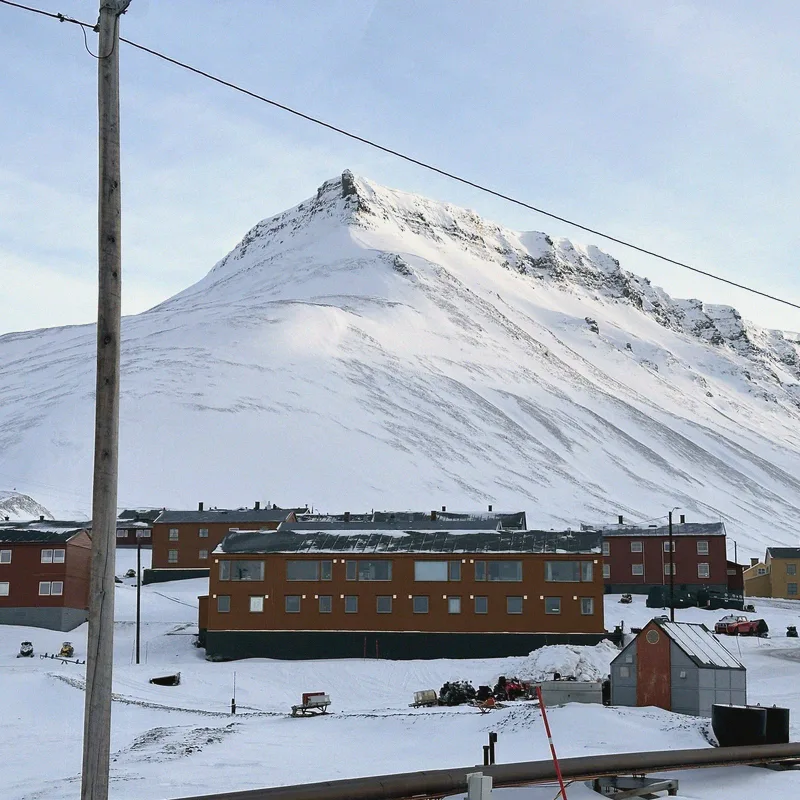
In December 2019 the demolition of 140 homes began in the exposed part of Longyeardalen, the valley in which Longyearbyen lies, in a basin of Adventfjorden. Store norske leksikon says in its article on Longyearbyen that the work started in that month, in the area of the town that avalanches had shown to be unsafe for housing.
The cause was two avalanches. The UNIS (the University Centre in Svalbard) news site reported in 2017 that an avalanche on 19 December 2015 lifted 11 houses off their bases and that two people died. Its avalanche researcher said the crown of the slide was up to 4 metres high, although 18 millimetres of precipitation were measured at the airport. The lexicon adds that ten houses were destroyed or badly damaged in 2015, and that in February 2017 two buildings with single rooms were destroyed or badly damaged. According to the lexicon, this showed that building in the lower part of Longyeardalen is exposed under present climate conditions.
The course of the work followed from that finding. The lexicon says that construction of a new housing area in Gruvedalen, east of the outlet of Longyearelva, began in 2018. The Svalbard article of the same lexicon says new homes were being built both in the centre and at the eastern mouth of Longyeardalen, called Gruvedalen. The lexicon's Svalbard article also says that homes below Sukkertoppen had already been vacated. Until the exposed homes in Lia were cleared, the lexicon notes, a number of them had to be evacuated each time avalanche danger was judged to exist.
The figures differ between sources. The lexicon gives 140 homes for the demolition that began in December 2019. The Barents Observer reported in October 2018, citing Aftenposten, that about 250 homes would have to be torn down. The Barents Observer also said the government had granted NOK 220 million for new houses, and that Statsbygg was building three blocks with 60 apartments. The Barents Observer links the move of houses nearest the mountain to the avalanches of 2015 and 2017.
What followed was a replacement of housing. Store Norske (the state-owned mining company) states on its property page that slide protection of Lia and Vannledningsdalen has meant that a considerable number of homes have been removed and more will be. Store Norske also states that it took over a new building with 12 family flats at Elvesletta Syd in December 2019, and that it is working on the Elvesletta Nord area, where homes moved from Lia are to be combined with new building. The demolition of 140 homes that began in December 2019 was thus part of a wider move of housing out of the avalanche paths above Longyearbyen.