 Svalbard
Study backs Isdammen as water source for Longyearbyen
Published
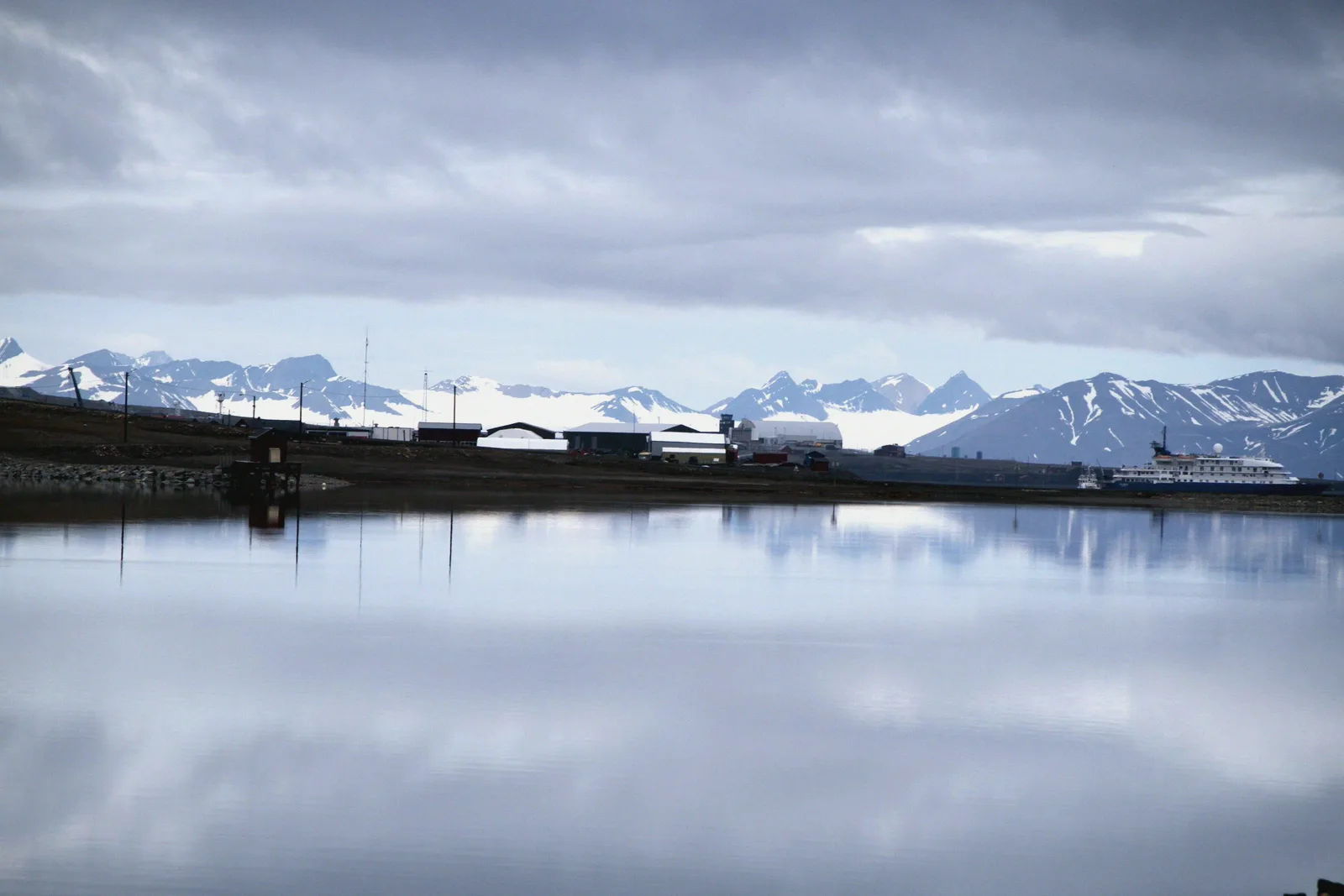
A study of Longyearbyen's future water supply recommends keeping Isdammen as the main water source, upgrading the water treatment and building a desalination plant as a backup. The local council (Longyearbyen lokalstyre) said so on Thursday 19 November. The aim is better water quality and a more robust supply.
The council said the raw water from Isdammen has varied in quality and the present treatment plant is not sized for the variations. Since September 2025 the water in the ordinary pipe network has not met the health-based limits of the drinking water regulations, partly because of high manganese levels. The town also has no full and independent backup supply.
The study compared several solutions, among them desalination as the main supply and building two large water plants at once. It concluded that upgrading Isdammen would cost less to build and run than replacing it with desalination, and would be quicker to carry out.
It recommends a large desalination plant at Hotellneset as the full backup supply, so that two independent sources reduce the vulnerability if the main supply is hit by pollution, natural events or sabotage. It also recommends upgrading the distribution system and quickly setting up an alternative way to produce emergency drinking water, for example a smaller desalination plant. The upgrade at Isdammen comes first, and the council aims for a full backup supply about three to four years later.
At concept level the costs are estimated at NOK 128 million for Isdammen, NOK 191 million for the distribution system and NOK 304 million for the desalination plant. That makes NOK 623 million in total at 2026 prices. The council called these preliminary figures with considerable uncertainty. How much the state contributes will weigh heavily on future water fees, and fees may rise even with full state cover because new plants cost more to run.
The case before the politicians is a choice of concept and the start of a pre-project. It is not a decision to build the new plants. The pre-project is estimated to cost NOK 55.6 million in 2027 to 2029, with NOK 39.7 million proposed for 2027. The council's chief administrative officer proposes the 2027 money and assumes state co-financing. If state funding fails or is much lower, a new case is to come before the local council in the first half of 2027.
The case goes first to Administrasjonsutvalget (the administration committee) on Wednesday 25 November. Next comes Teknisk miljø- og næringsutvalget (the technical, environment and business committee) on Tuesday 1 December, and finally the local council on Wednesday 9 December.
Written by the Wire's software from the sources listed below and checked against them before publication. The editor sets the rules and answers for every story. How the Wire is made.
Sources
Coverage: Longyearbyen lokalstyre (the local council)
Longyearbyen lokalstyre (the local council), Press, 19 November 2026
Longyearbyen lokalstyre on Facebook, Government, 19 November 2026
History: The local council begins