 Svalbard
Security fears give no legal ground to end Svalbard's demilitarisation, study finds
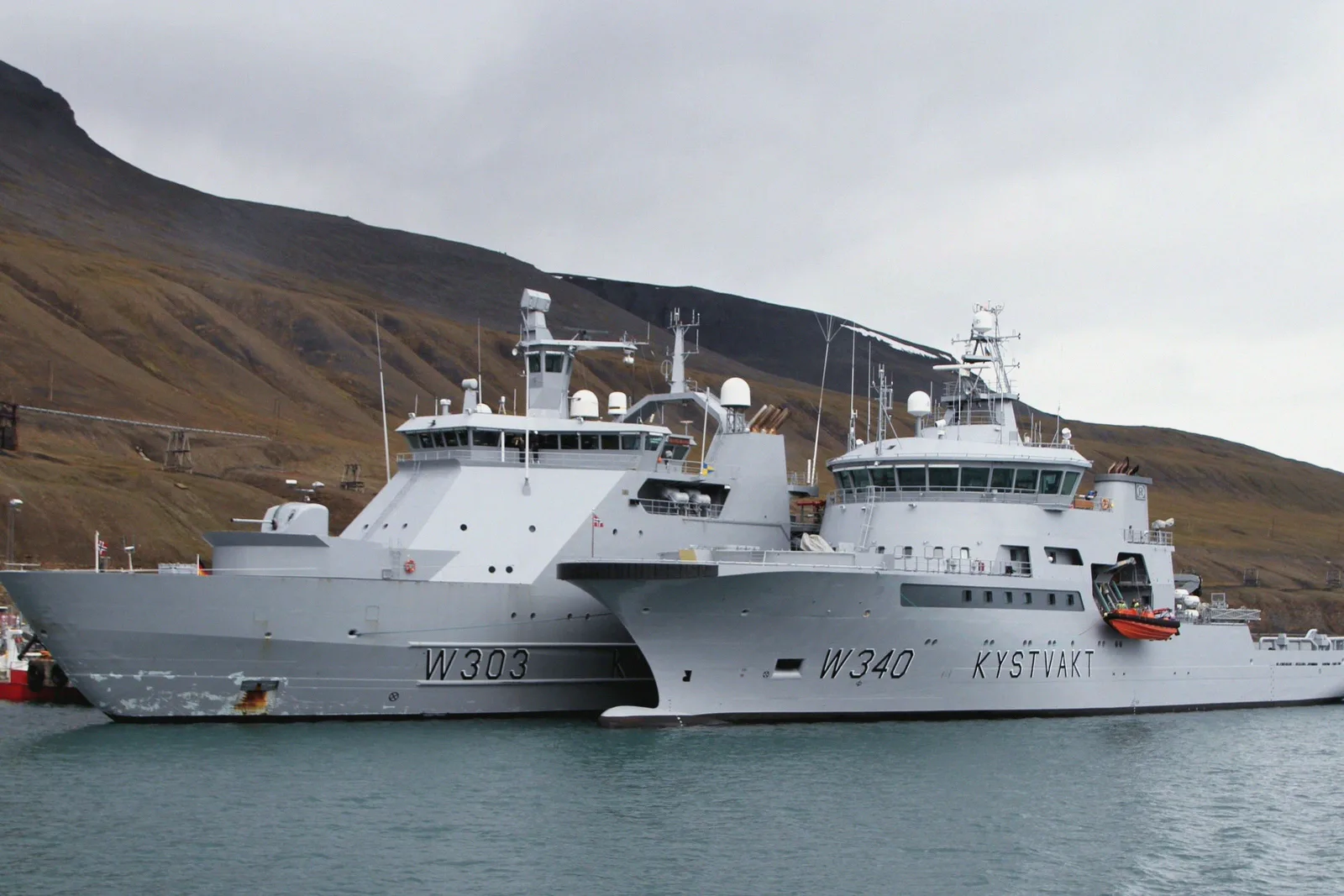
A changed security situation does not give Norway legal grounds to set aside the demilitarisation clause of the Svalbard Treaty, according to a working paper published by Åbo Akademi University in Finland on Wednesday 11 November.
The paper, by Frida Henriksson, compares Svalbard with Finland's Åland Islands. It is based on her master's thesis in international law and human rights and is No. 1/2026 in the university's Institute for Human Rights working paper series.
What Article 9 allows
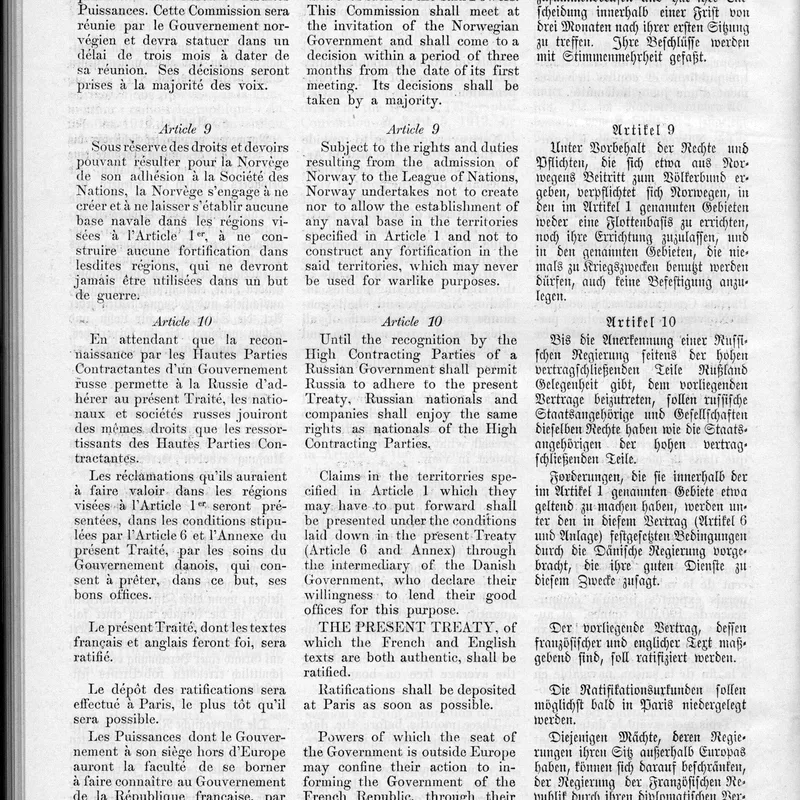
The Svalbard regime rests on a single article. Under Article 9, Norway may not create or allow a naval base or build fortifications, and the islands may never be used for warlike purposes. Henriksson writes that the article's brevity leaves its practical meaning ambiguous. She cites a 2009 report to the Storting from the Ministry of Justice and the Police, which holds that Article 9 does not ban all military activity, such as defence measures and visits by Norwegian military aircraft or personnel. She also cites researcher Andreas Østhagen, who argues that Svalbard is not demilitarised at all, since in his view a demilitarised zone bans military activity entirely.
Henriksson treats two points as clear. Norway may not establish a naval base or fortify the islands. And Article 9 prevents Norway from using Svalbard to defend other parts of Norway in an attack not directed at Svalbard. She argues that military measures carried out by civilians, such as research for war purposes, should also be barred.
The Atlantic Council proposal
The paper discusses a 2026 Atlantic Council report by Richard D. Hooker Jr. It lists Svalbard and the Åland Islands among five Nordic-Baltic regions at highest risk of Russian aggression, and recommends stationing a military or paramilitary unit on Svalbard. Henriksson writes that such a unit would comply with the treaty, which does not explicitly bar Norway from defensive measures. She notes that the Norwegian Navy and government have said existing NATO forces give Norway sufficient protection.
Changed circumstances
The core of the paper is the rule that lets a state end a treaty after a fundamental change of circumstances, set out in Article 62 of the Vienna Convention on the Law of Treaties. Henriksson concludes that the present situation does not meet its conditions. The Svalbard and Åland regimes were agreed at a time of instability, so a worsening security situation does not change their essential basis. She argues that both may count as "objective regimes" binding on all states, which would rule out ending them unilaterally. She notes it is disputed whether Article 9 has become customary law binding on states outside the treaty.
Henriksson recommends that Norway and Finland take a common position, writing that remilitarising Åland could affect Svalbard's status and the reverse. With both areas covered by NATO's Article 5, she writes, close cooperation with allies "should suffice".
Coverage: Åbo Akademi