 Svalbard
’s Longyearbyen faces infrastructure crisis as permafrost thaws and glaciers retreat
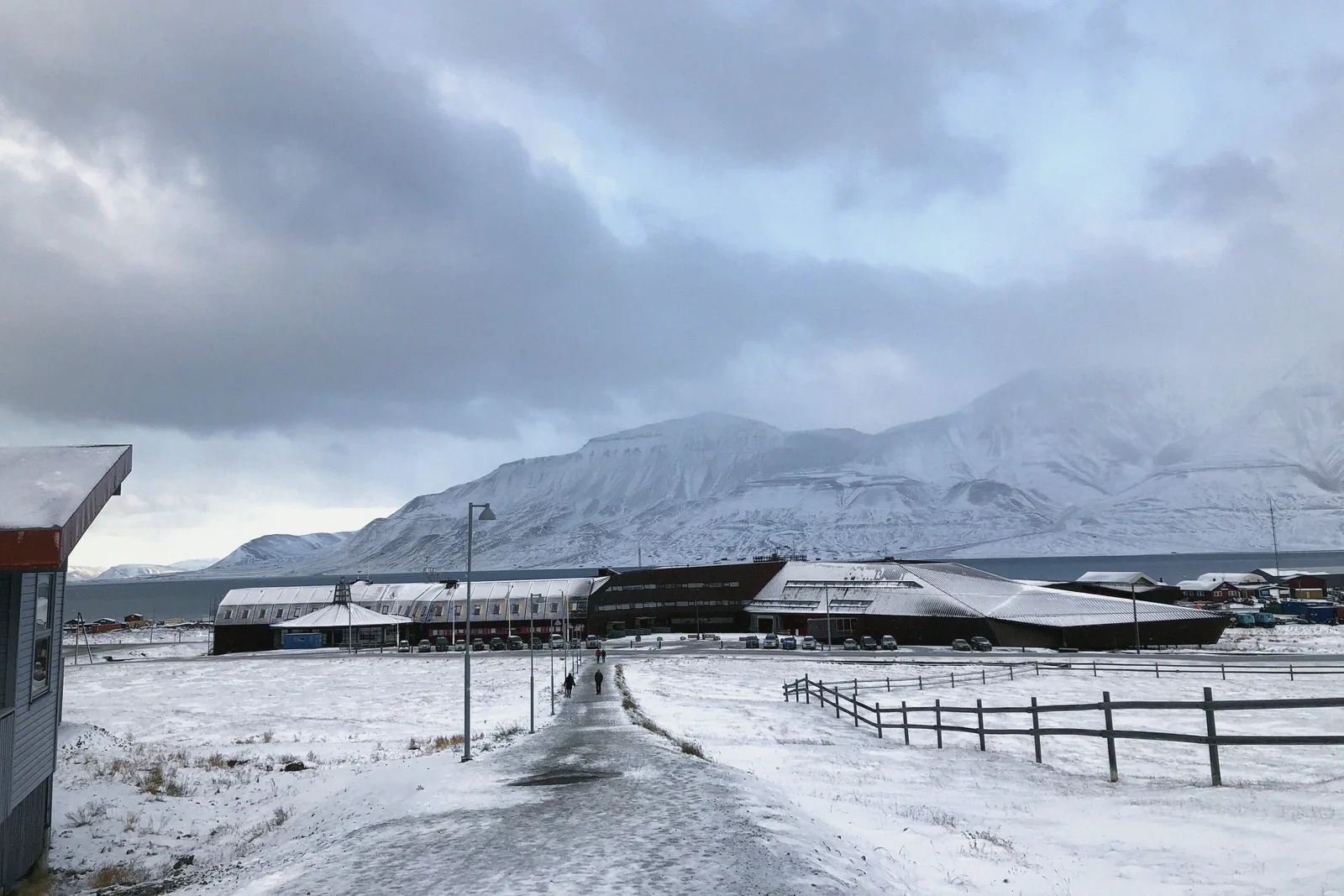
Streamline Feed reports that thawing permafrost is damaging the water supply and the buildings of Longyearbyen. The town has approximately 2,600 residents and lies on the Norwegian archipelago of Svalbard. Streamline Feed says the temperature there is rising at up to seven times the global rate. It calls the process Arctic amplification. Shrinking sea ice exposes darker water, which absorbs more solar radiation and adds to the warming.
On water, Streamline Feed says heavy metals were detected in the municipal system and that scientists tie them to the thaw. A deeper summer thaw layer exposes minerals and organic matter to oxidation and more water flow. This washes metals such as manganese into groundwater. Monitoring stations recorded manganese at about 1,000 micrograms per litre. Residents are using other water sources while engineers look for a long-term filtration method.
On the ice, Streamline Feed says Foxfonna, a small glacier just outside the town, is losing one to four metres of thickness each year. Glaciologists say too little snow now builds up. More precipitation falls as rain. Over the past two years, ten large glaciers that ended in the sea have pulled back onto land, weakening their support and speeding up their break-up.
On buildings, Streamline Feed says most structures in the town stand on wooden piles set into frozen ground. As the thaw layer deepens, the tops of the piles meet moisture and oxygen and rot faster. Engineers report settling in modern buildings that needs underpinning and reinforcement. The old cableway that carried coal from the plateau to the harbour has rotting towers that cannot be maintained safely. Buried water and sewage pipes often break as the ground moves, straining the municipal budget.
Streamline Feed adds that rain and softened soil have made debris flows more frequent in the steep, narrow valley, and that authorities have demolished homes in high-risk zones in recent years. Researchers from UNIS (the University Centre in Svalbard) are monitoring these effects, Streamline Feed says. Future construction is turning to thermosyphons, which cool the ground without power, and to raised structures that do not depend on stable ground.
Coverage: Streamline