 Svalbard
Drinking water crisis hits world’s fastest warming town
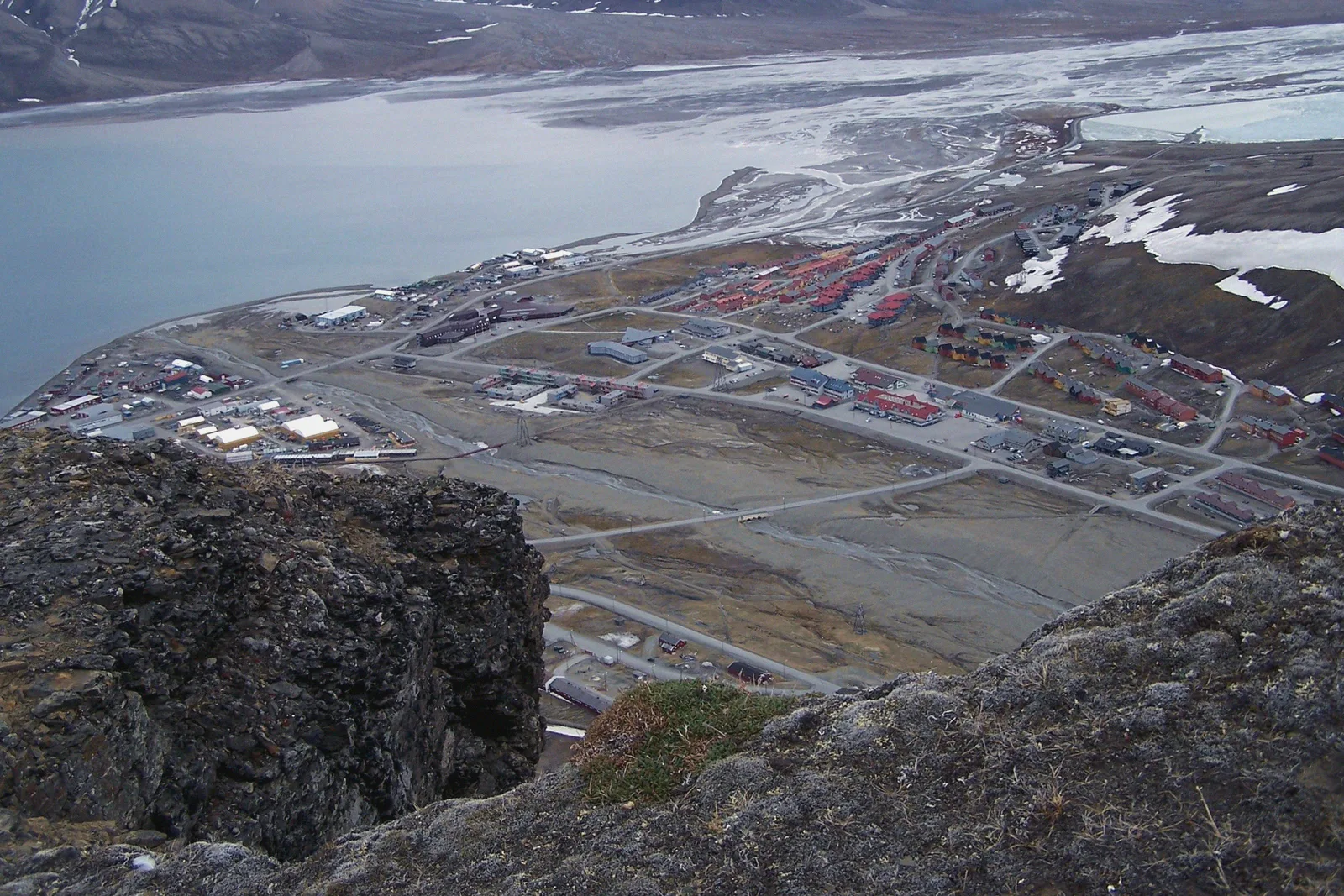
Qazinform News Agency reports that tests of tap water in Longyearbyen, on Svalbard, found sulfate and nickel above the recommended limits. Longyearbyen lokalstyre (the local council) said the water does not currently meet quality standards. Manganese has dropped, but the council said it remains a concern, particularly for infants.
Residents can collect free drinking water at the Svalbardbutikken store, where a bulk container has been set up. The allowance is temporary and is set at 3 litres for each person each day, so that supplies last for all residents. Families with infants get extra: every child under one year old can collect 10 litres a week.
The Norwegian Institute of Public Health concluded that manganese in the water is too high for infants. According to the authorities, tap water must not be given to babies or used to prepare infant formula.
The council said early tests of treated water produced at Bryggeriet found manganese inside the limits the institute recommends. Final results had not yet arrived. Officials are still taking samples every week and are working to bring manganese down.
The council has decided to keep Isdammen lake as the raw water source. Samples from Steintippdalen, the alternative source, also showed raised manganese, nickel and aluminium.
In an earlier report, Qazinform said that land once covered by ice has appeared as a new island in Svalbard after the Austfonna glacier retreated.
Correction, 31 October 2026: an earlier version said babies should not be given tap water. The source says tap water must not be given to babies or used to prepare infant formula.
Coverage: Qazinform